Home / Rental Kitchens Near UC Riverside and the Counters in Them
Rental Kitchens Near UC Riverside and the Counters in Them
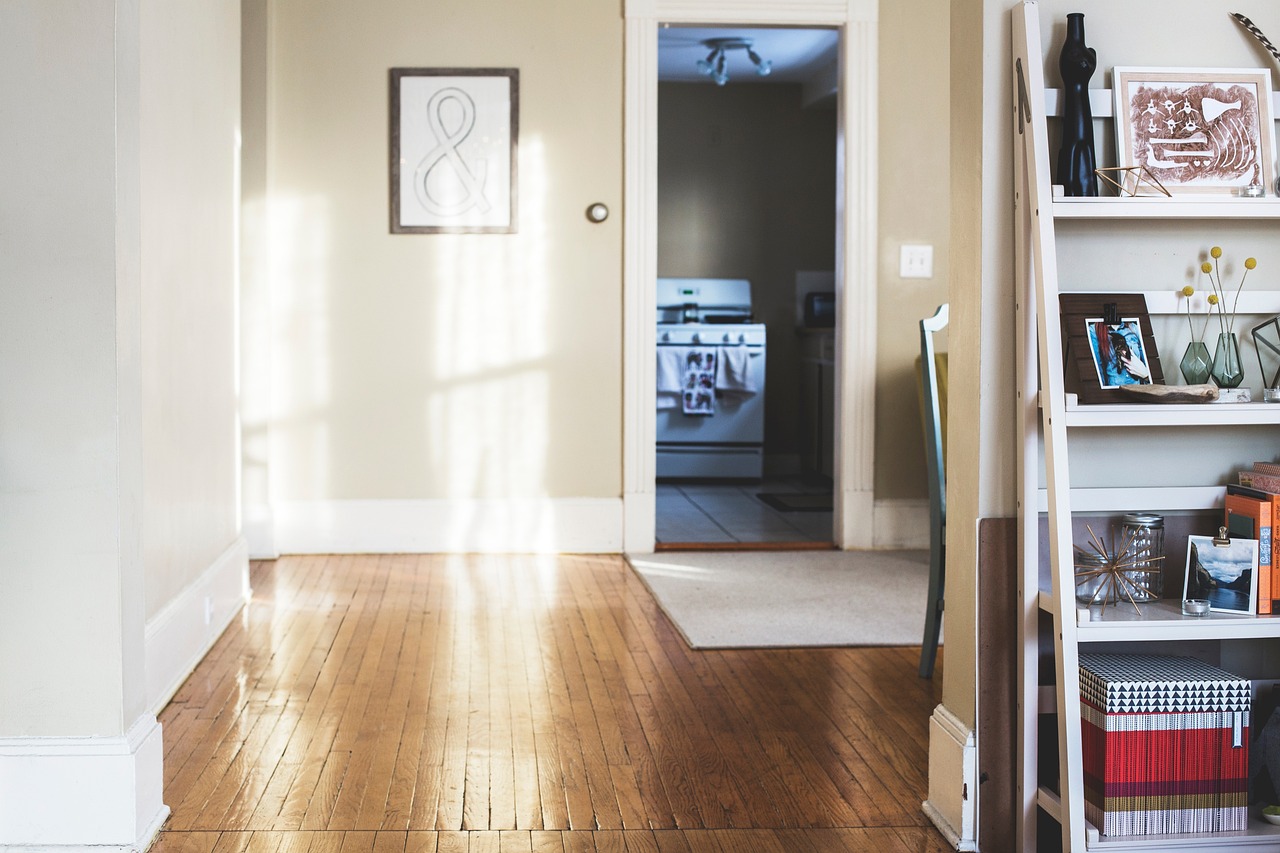
A rental kitchen near the University of California, Riverside campus faces use that an owner occupied kitchen rarely sees: several roommates with different habits, tenants who change every year, and a landlord who wants the room to look decent after each turnover. The countertop is the surface that absorbs most of that wear, and the best choice for it is rarely the most glamorous one.
Who actually uses these kitchens
The neighborhoods around the campus mix older single story houses, converted garages, duplexes and apartment complexes. Many are shared by three, four or more students, with a single kitchen serving everyone. Cooking happens at odd hours, dishes pile up, and nobody feels the same sense of ownership that a homeowner does. Hot pans get put down wherever there is space, knives are used directly on the surface, and spills sit until someone notices.
A counter in that setting must forgive carelessness. It should shrug off heat, resist scratches, and hide the small marks that accumulate anyway. It should also be easy to wipe, because the person cleaning it may not be the person who made the mess.
Durability matters more than appearance
Owners of rental properties often weigh appearance heavily at the moment of listing and then discover that the surface looks tired within a couple of years. A dense, hard top with a uniform tone tends to age more gracefully than one with fine detail that shows every nick. Speckled and lightly patterned surfaces mask wear because scratches and crumbs blend into the pattern. A plain, glossy dark top shows every smear, and a pure white one shows every stain.
Those general tendencies are useful, but the right answer depends on how the property is used and how often it turns over. A fabricator who has worked with landlords can describe how different surfaces have held up in similar buildings.
Small kitchens, shared use
Rental kitchens are often compact, and counter space is the first thing tenants complain about. When several people cook, the limited surface becomes a point of friction. A few design moves reduce the strain. A section of counter near the refrigerator gives a place to set groceries. A stretch beside the stove supplies room for hot pans. A clear area beside the sink lets dishes dry without blocking prep.
Where the room allows, a small peninsula or a movable cart adds work area without construction. In a tight shared kitchen, though, a permanent addition can be a mistake, since it may narrow the walkway beyond what feels comfortable when two people pass.
Heat, summers and the landlord's insurance of sense
Summers in the Inland Empire make air conditioning a heavy expense for tenants, and cooking heat adds to it. Tenants may avoid cooking at the hottest hours, then use the stove all at once in the evening. That produces concentrated heat on the counter beside the cooktop. A surface that tolerates a hot pan briefly set down is a practical advantage, even though trivets are always better. Landlords should assume the trivets will not be used.
Seams, edges and the ease of cleaning
In a shared house, a seam or crevice that collects crumbs becomes a hygiene complaint. Fewer joints mean fewer places for grime to hide. Edges that are simple and slightly softened chip less than sharp ones, and they are kinder to hips and elbows in a crowded room. Backsplashes that rise a short distance up the wall keep splashes off the paint, which saves repainting between tenants.
- Pick a surface that hides small marks rather than showing every one.
- Keep the number of seams low.
- Use simple, slightly softened edges.
- Run a backsplash high enough to protect the wall behind the sink and stove.
- Plan for easy replacement of the sink and faucet, which wear faster than the stone.
Hard water and the rental routine
Riverside tap water is hard, and in a rental, nobody is likely to wipe a faucet dry each night. Mineral spots form around the sink and fixtures. A counter that tolerates standing drips and shows little residue makes the property look better with less effort. A simple instruction card inside a cabinet, describing how to wipe up spills and what to avoid, helps long term tenants and costs almost nothing.
Accessibility and different tenants
Tenants are not all the same height or ability. Someone with limited mobility who rents a unit near campus will find a standard kitchen difficult if the counter is set for another body. Landlords are not expected to rebuild each kitchen, but a thoughtful default helps. A work surface set a little lower in one place, a clear floor in front of the counter, and a sink with a lever faucet cost little when included in a remodel and widen the pool of people who can live comfortably in the unit.
Lighting also matters. A dim kitchen with a dark counter is hard for tenants with poor eyesight, and a lighter top with a bright fixture above improves both safety and perception of cleanliness.
The turnover test
Owners can judge any proposed countertop by imagining the end of a lease. After twelve months of use by four roommates, will the counter wipe back to presentable with a damp cloth? Will it need to be refinished? Will a stained patch force a partial replacement? A material that passes the turnover test saves more over several years than a cheaper one that looks worn after the first. This is not a question of price lists. It is a question of how the property will be managed.
Planning for small improvements that last
Not every landlord remodels the kitchen entirely. Often the work is selective: replacing a worn top in a house on a street near campus, adding a short stretch of surface beside the refrigerator, or fitting a better sink. In such cases the template and the installation should minimize the time the kitchen is unusable, since tenants need to eat. Scheduling around a break in the academic year, when fewer people are in the house, makes the work easier on everyone.
What owners should ask a fabricator
- How does this surface behave under hot pans and sharp knives?
- Which marks does it show, and which does it hide?
- How many seams will the layout need?
- What can a tenant do wrong that is hard to reverse?
- How quickly can the work be done around a lease change?
A kitchen that survives the semester
A rental counter has a hard job. It works every day, shared by people who may not know each other well, and it must look acceptable when the next tenant arrives. The best choices are the ones that tolerate rough use quietly and wipe clean without thought. Selected with the turnover test in mind, a countertop near the university can serve a property for many years and many leases, keeping both tenants and owners satisfied.